
On this page
Accelerating Small Business Growth: The Role of Continuous Data Analytics
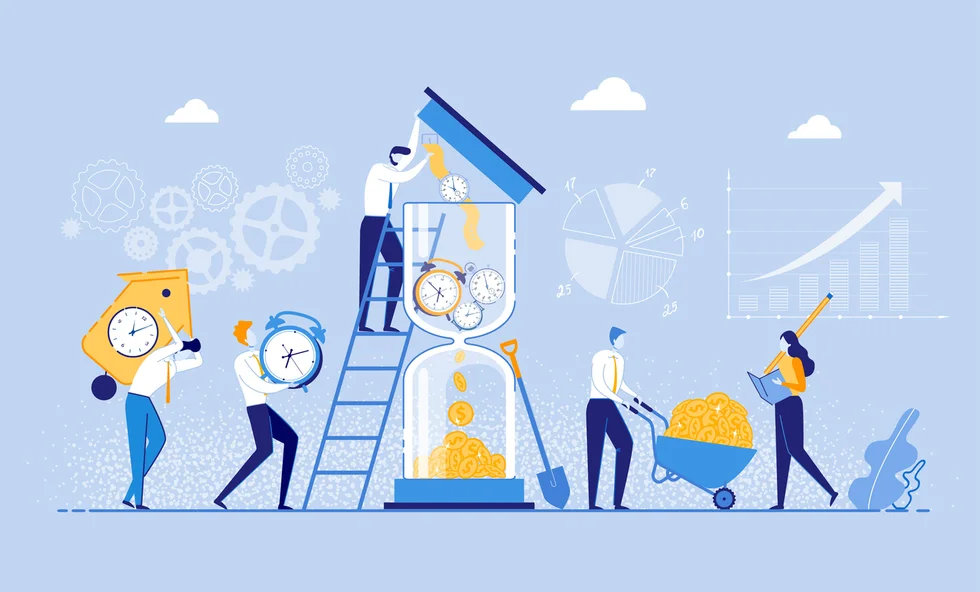 Small and medium-sized businesses (SMBs) need every advantage to thrive. Continuous data analytics is a game-changer, providing real-time insights that empower data-driven decision-making.
Leveraging these insights can mean the difference between stagnation and growth for SMBs. By continuously analyzing data, businesses can identify trends, optimize operations, and make informed decisions that drive efficiency and profitability.
At Devcansol, we specialize in providing cutting-edge data analytics solutions tailored to meet the unique needs of SMBs. Our expertise helps businesses unlock the full potential of their data, enabling them to stay ahead of the competition and achieve sustainable growth.
Continuous Analytics Vs. Traditional Analysis: A Modern Approach to Insights
In today's fast-paced business environment, understanding the nuances between continuous analytics and traditional analysis can significantly impact your decision-making process. Our team explains how these methodologies differ and why continuous analytics is preferred for forward-thinking companies.
Understanding Continuous Analytics
Continuous analytics refers to the real-time processing and evaluation of information as it is generated. Unlike traditional methods, which often rely on batch processing at scheduled intervals, continuous analytics provides immediate insights.
This approach is particularly valuable for businesses that need to respond swiftly to changing conditions, such as e-commerce platforms monitoring customer behavior or financial institutions tracking market trends.
The Essence of Traditional Analysis
Traditional analysis, on the other hand, involves collecting and examining information at specific points in time. This method typically uses historical data to identify patterns and make predictions.
While effective for long-term strategic planning, traditional analysis can be less responsive to immediate changes and may not provide the agility needed in dynamic environments.
Key Differences
The primary difference between continuous and traditional analysis is their processing frequency and response time.
Continuous analytics operates in real time, using tools and technologies that offer instantaneous insights and enable quick decision-making.
Traditional analysis, however, is periodic and often involves a delay between data collection and analysis. This delay can be a disadvantage in fast-moving industries where timely information is crucial.
Benefits of Continuous Analytics
The real-time nature of continuous analytics allows businesses to detect and react to issues as they arise, minimizing risks and capitalizing on opportunities. This immediacy can improve operational efficiency, enhance customer experiences, and provide a competitive edge.
Companies that adopt continuous analytics are better equipped to navigate the complexities of the modern market, making it an essential tool for success in today's digital age.
Transform Your Small Business: 5 Ways Continuous Data Analytics Can Streamline Operations
In the fast-paced world of small business, staying ahead of the competition requires agility and informed decision-making. Continuous data analytics offers insights to optimize operations, enhance customer experiences, and drive growth. Here are five detailed examples of how continuous data analytics can revolutionize small business operations.
Real-Time Inventory Management
Effective inventory management is crucial for any small business, whether you're in retail, manufacturing, or service. Continuous data analytics allows you to monitor inventory levels quickly, preventing overstocking and stockouts.
By analyzing sales trends, seasonal demand, and supplier lead times, businesses can automate reordering processes. This ensures you always have the right stock, reducing holding costs and improving cash flow.
For example, a small retail store can use continuous data analytics to track which products are selling quickly and which are not. By identifying slow-moving items, the store can implement promotions or discounts to clear excess inventory.
Conversely, the system can automatically place orders with suppliers to replenish stock for fast-selling items, ensuring that popular products are always available for customers.
Enhanced Customer Insights
Understanding your customers is key to delivering personalized experiences and building loyalty. Continuous data analytics enables small businesses to gather and analyze customer data from various touchpoints, such as website visits, social media interactions, and purchase history. This data can create detailed customer profiles and segment your audience based on behavior, preferences, and demographics.
For instance, a small e-commerce business can use continuous data analytics to track customer browsing and purchase patterns. By analyzing this data, the business can identify trends, such as which products are frequently bought together or which items are popular among specific customer segments.
This information can be used to tailor marketing campaigns, recommend products, and offer personalized discounts, ultimately enhancing the customer experience and driving sales.
Optimized Marketing Campaigns
Marketing is a significant investment for small businesses, and ensuring a high return on investment (ROI) is essential. Continuous data analytics allows businesses to measure the effectiveness of marketing campaigns in real time.
By tracking key performance indicators (KPIs) such as click-through rates, conversion rates, and customer acquisition costs, businesses can quickly identify which campaigns are performing well and which need adjustment.
For example, a small business running a digital marketing campaign can use continuous data analytics to monitor the performance of different ad creatives and channels.
If a particular ad is not generating the desired results, the business can quickly make data-driven adjustments, such as changing the ad copy, targeting a different audience, or reallocating the budget to more effective channels. This iterative approach ensures that marketing efforts are continually optimized for maximum impact.
Streamlined Financial Management
Managing finances is a critical aspect of running a small business. Continuous data analytics can provide real-time insights into financial performance, helping businesses make informed budgeting, forecasting, and cash flow management decisions. By integrating data from various financial systems, such as accounting software, bank statements, and sales records, businesses can gain a comprehensive view of their financial health.
For instance, a small service-based business can use continuous data analytics to track revenue, expenses, and profit margins on an ongoing basis.
By identifying trends and anomalies, the business can proactively address potential issues, such as unexpected expenses or declining revenue. This level of financial visibility enables better decision-making, ensuring the business stays on track to achieve its financial goals.
Improved Operational Efficiency
Operational efficiency is essential for small businesses looking to maximize productivity and reduce costs. Continuous data analytics can help identify bottlenecks and inefficiencies in business processes, enabling businesses to streamline operations and improve performance.
By analyzing data from various sources, such as production schedules, employee performance, and supply chain logistics, businesses can uncover opportunities for optimization.
For example, a small manufacturing business can use continuous data analytics to monitor real-time production processes. By analyzing data on machine performance, production output, and downtime, the business can identify areas for improvement.
This might include scheduling maintenance to prevent unexpected breakdowns, optimizing production schedules to reduce idle time, or implementing process improvements to increase efficiency. These data-driven insights can lead to significant cost savings and productivity gains.
Unlocking Business Potential: The Power of Data Visualization in Data Analytics
In the modern business landscape, data visualization is more than just a tool; it's necessary. By transforming raw data into visual formats like charts, graphs, and maps, businesses can quickly identify trends, patterns, and insights that might otherwise remain hidden.
This visual representation of data simplifies complex information, making it accessible to stakeholders at all levels and facilitating more informed decision-making.
Moreover, data visualization enhances the ability to communicate findings effectively. It allows businesses to present data-driven insights in a compelling and easily digestible manner, fostering a better understanding among teams and clients.
This not only aids in strategic planning but also helps identify opportunities for growth and areas needing improvement, ultimately driving business success.
Summary
Adopting continuous data analytics is crucial for accelerating the growth of small and medium-sized businesses (SMBs). By leveraging data analytics, SMBs can gain valuable insights, make informed decisions, and stay competitive in an ever-evolving market.
Embracing this technology will drive success and provide a sustainable growth pathway. At Devcansol, we specialize in integrating advanced data analytics solutions tailored to your business needs. Don't wait to harness the power of data. Contact Devcansol today to learn how we can help you transform your business through data-driven strategies.